Green Initiatives: How E-Waste Recycling Services Are Protecting Our Planet
Electronic waste presents serious dangers to the environment, as discarded electronics often contain toxic materials. These hazardous substances can contaminate soil and water, causing extensive damage to surrounding ecosystems. Electronic waste recycling programs offer an effective remedy. They not only recover valuable resources but also mitigate pollution. Gaining insight into how these programs function and affect local communities is critical. The journey towards effective e-waste management raises critical questions about individual responsibility and collective action. What steps can be taken next?
How E-Waste Is Hurting the Planet
Even though technology enriches contemporary living, e-waste poses significant environmental threats. Discarded electronic devices, commonly laden with toxic substances including lead, mercury, and cadmium, are capable of seeping pollutants into groundwater and soil, presenting dangers to both wildlife and human well-being. The rapid pace of technological advancement leads to greater consumer replacement of electronic devices, intensifying the growing problem of discarded electronic materials.
Landfills, already burdened with waste, struggle to accommodate the growing volumes of discarded gadgets. Incineration, a common waste management technique, emits dangerous pollutants into the environment, degrading atmospheric conditions. Moreover, poor recycling procedures can cause e-waste to be sent to developing regions, where employees may disassemble electronics without sufficient safety precautions, leaving them vulnerable to harmful substances. This cycle of neglect and improper handling underscores the urgent need for sustainable recycling solutions that can mitigate the adverse effects of e-waste on the planet.
Understanding E-Waste and Its Significance
Electronic waste, commonly known as e-waste, includes unwanted electronic equipment like televisions, computers, and smartphones that are no longer functional or needed. This growing category of waste is significant owing to its accelerating volume, driven by technological advancements and consumer trends. With an increasing number of devices reaching obsolescence, the toll on the environment grows more severe, with dangerous elements including lead, mercury, and cadmium presenting serious hazards to the environment and human well-being.
The importance of addressing e-waste lies not only in mitigating these hazards but also in recognizing the valuable materials it contains. Valuable metals and rare earth materials can be extracted and repurposed, lessening the demand for mining and preserving natural resources. By understanding e-waste and its implications, individuals and organizations can make informed decisions about disposal and recycling, ultimately contributing to a more sustainable future. Responsible management of e-waste plays a key role in supporting a circular economy and championing environmental stewardship.
How the E-Waste Recycling Process Works
E-waste recycling entails an organized procedure designed to recover valuable materials while reducing harm to the environment. At the outset, e-waste is collected and transported to dedicated processing centers. Upon arrival, the electronics are carefully categorized to isolate dangerous parts from recoverable materials.
Subsequently, employees break down the devices, separating metals, plastics, and glass. This phase is essential, as it allows for the reclamation of valuable metals like silver, gold, and copper, which may be utilized in new electronic products.
Following this, the sorted materials are treated using cutting-edge techniques, such as shredding and specialized chemical treatments, to prepare them for further use.
Finally, the remaining hazardous materials are disposed of responsibly, complying with environmental guidelines. This multi-step approach not only saves important resources but also reduces the dangers associated with irresponsible electronic waste disposal, securing a more eco-conscious future for the consumption of electronics.
Advantages of E-Waste Recycling for You and Your Community
Although it often goes unnoticed, the advantages of e-waste recycling extend beyond personal convenience to positively impact entire communities. By carefully processing electronic waste, individuals play a role in creating a safer environment, reducing toxic components that can leach into soil and water. This forward-thinking practice helps preserve local ecosystems and supports public health.
In addition, e-waste recycling fosters employment opportunities within local communities. Community recycling operations commonly require workers for various operations, including collection and processing, consequently creating meaningful employment for local residents. This not only stimulates the local economy but also encourages community engagement in sustainable practices.
Furthermore, familiarity with e-waste recycling has the potential to generate learning opportunities, equipping residents to adopt eco-friendly choices. By engaging with e-waste recycling programs, individuals promote a culture of sustainability, inspiring others to do the same. In summary, the cumulative impact of these actions can lead to a more sustainable and conscientious community.
How to Pick an E-Waste Recycling Service
Choosing the most suitable e-waste recycling service is essential for guaranteeing that electronic refuse is processed responsibly and sustainably. First, people should check the company's accreditations, such as R2 and e-Stewards certifications, which demonstrate adherence to industry standards for responsible recycling methods. Additionally, it is advisable to assess the company's standing by checking reviews and looking for advice from dependable sources.
Furthermore, clarity in the recycling process is essential. A reliable company should offer detailed insights about the way e-waste is handled and what becomes of the materials. Moreover, assessing the variety of services available can be advantageous; certain providers may offer collection services or present rewards for recycling.
Finally, being aware of local guidelines related to e-waste disposal can help inform the choice of disposal method. Through focusing on these key aspects, individuals can contribute to effective e-waste management while also advancing green and responsible behaviors.
How You Can Get Involved in E-Waste Recycling?
Getting involved with e-waste recycling often starts at the local level, where community recycling hubs regularly supply essential services for responsible disposal. Additionally, taking part in community awareness campaigns can enhance efforts to inform others regarding the importance of responsible e-waste management. These actions not only advance environmental sustainability but also build a collective sense of accountability for the environment.
Area Recycling Stations
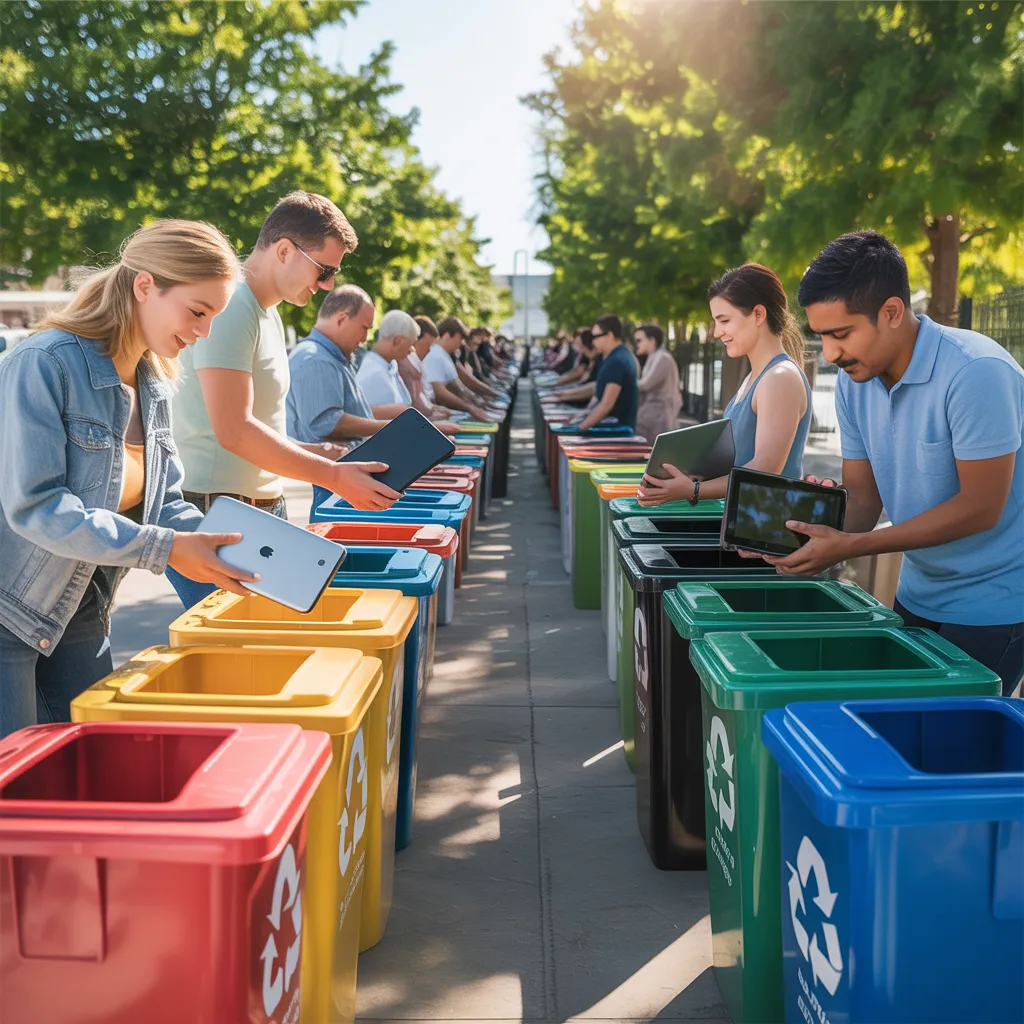
Numerous neighborhood recycling stations play an essential role in recycling electronic waste, providing communities with accessible options to manage electronic waste appropriately. These hubs welcome a range of electronic devices, including aging computers, cell phones, and television sets, guaranteeing that dangerous substances are processed safely. Many hubs feature experienced team members who support individuals in understanding proper disposal practices, stressing the significance of recycling instead of landfilling. In addition, many centers offer scheduled drop-off occasions or specific collection dates, making it easy for residents to participate. By engaging with these local facilities, residents support a circular economy, minimizing ecological impact and fostering sustainable behaviors. Working alongside these hubs encourages communities to fight e-waste pollution decisively.
Community Education Campaigns
Local organizations, schools, and businesses can collaborate to host events that promote e-waste collection drives. Volunteers can play a pivotal role in raising awareness, sharing informational resources, and connecting with local residents. By means of these joint initiatives, local inhabitants gain greater awareness and encouragement to properly recycle their e-waste, thereby helping to build a greener and more sustainable tomorrow.
Common Questions and Answers
Which Types of Electronics Are Recyclable?
Numerous electronics are able to be recycled, including laptops, televisions, smartphones, printers, computers, and gaming consoles. Furthermore, peripherals such as keyboards, mice, and batteries are well-suited for recycling, promoting sustainable environmental practices.
Are There Any Costs Associated With E-Waste Recycling?
That's correct, e-waste recycling sometimes comes with View more charges, depending on the service provider. Certain providers impose charges for collection or processing, while others make services available at no charge, frequently supported by the proceeds from salvaged materials.
What Are the Benefits of E-Waste Recycling for Businesses?
Companies can take advantage of e-waste recycling by lowering disposal expenses, enhancing their environmental image, adhering to regulatory requirements, recovering valuable materials, and creating potential earnings via resale, thereby fostering a more environmentally responsible business approach.
What Becomes of Data on Recycled Devices?
Data on refurbished devices is frequently permanently erased or destroyed during the refurbishment process. This guarantees confidential data remains secure, stopping improper access while allowing materials to be recycled carefully and ethically within new applications.
Can I Recycle Broken Electronics?
Indeed, non-functioning electronics are able to be recycled. Many centers process defective devices, guaranteeing responsible disposal and extraction of useful materials. It helps decrease environmental impact while fostering eco-friendly recycling methods to control electrical waste effectively.